Get Fallen Tree Removal
Fallen tree removal services help property owners safely eliminate fallen or hazardous trees caused by storms or decay, handling cleanup and ensuring safety.
Fallen trees can pose safety hazards, block access to driveways, or cause damage to property structures. Property owners in the area often consider professional fallen tree removal to address these concerns efficiently and safely. Whether dealing with storm damage, clearing space for new landscaping, or removing hazardous debris, exploring local contractor options can help ensure the job is handled properly.
By comparing services offered by local contractors, property owners can find experienced providers equipped to manage fallen tree removal effectively. This process allows for informed planning and ensures the work aligns with the specific needs of each property. Keep reading to discover how local experts can assist with your fallen tree removal project.
- Fallen Tree Removal - needed after storms or high winds cause trees to topple onto property.
- Dead Tree Removal - required when a tree shows signs of disease or decay that threaten safety.
- Storm Damage Cleanup - necessary following severe weather events that leave trees or branches hazardous.
- Overgrown Tree Trimming - needed to prevent trees from becoming a safety risk or obstructing views.
- Emergency Tree Clearing - needed when urgent removal is required to protect people or structures from falling trees.
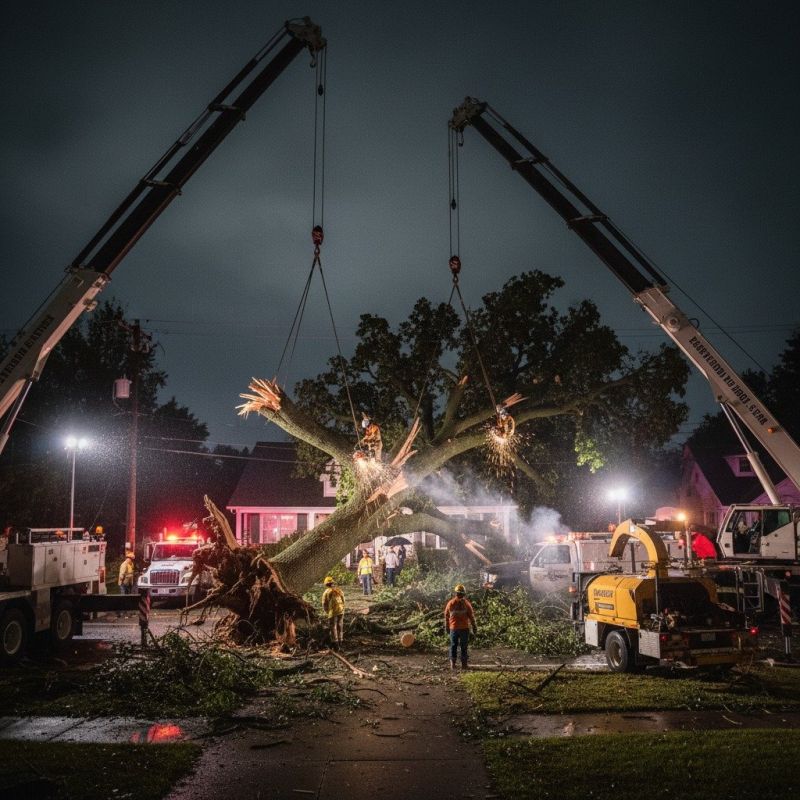
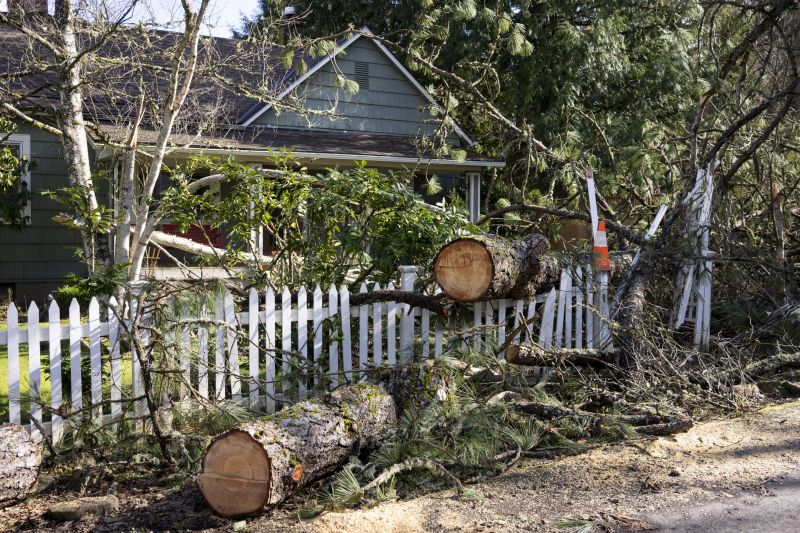
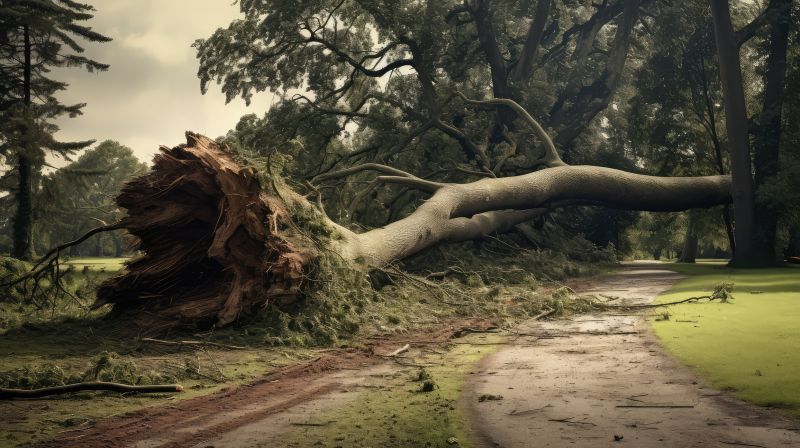
Fallen tree removal services involve the safe and efficient removal of trees that have toppled or are at risk of falling on a property. This process typically includes assessing the situation, planning the safest method of removal, and then carefully cutting and hauling away the debris. Professional contractors use specialized equipment to handle trees of various sizes, ensuring that the work is performed securely and without causing damage to surrounding structures or landscape features. This service is essential for maintaining the safety and appearance of a property after a tree has fallen or is leaning dangerously.
This service helps solve several common problems homeowners face, such as obstructed driveways, damaged fences, or compromised roofs caused by fallen trees. It also addresses hazards posed by unstable trees that could fall during storms or high winds, reducing the risk of injury or further property damage. Removing a fallen tree promptly can prevent issues like blocked access, pest infestations, or the growth of decay that could affect neighboring healthy trees. Local contractors are equipped to handle emergency situations and ensure the site is cleared efficiently.
Fallen tree removal is often needed on residential properties, including single-family homes, townhouses, and multi-unit complexes. It is also frequently requested for properties with large yards, landscaped gardens, or trees close to structures, where a fallen or leaning tree could cause significant damage. Commercial properties, parks, and public spaces may also require this service to maintain safety standards and prevent liability issues. Homeowners and property managers should consider professional removal whenever a tree’s stability or health becomes a concern, especially after storms or severe weather events.
Contacting local contractors for fallen tree removal services provides a practical solution to a potentially dangerous situation. These service providers are experienced in handling trees of different sizes and conditions, ensuring the work is done safely and efficiently. Whether a tree has already fallen or is showing signs of instability, professional removal helps restore safety and accessibility to the property. Homeowners should seek out local pros when they notice fallen trees blocking pathways, damaging property, or posing a threat to safety, ensuring the job is handled by experts equipped to manage the situation effectively.
The overview below groups typical Fallen Tree Removal projects into broad ranges so you can see how smaller, mid-sized, and larger jobs often compare in your area.
In many markets, a large share of routine jobs stays in the lower and middle ranges, while only a smaller percentage of projects moves into the highest bands when the work is more complex or site conditions are harder than average.
Small Tree Removals - typical costs range from $250-$600 for many smaller jobs, such as removing a single, healthy tree. Many routine removals fall within this middle range, with fewer projects reaching the higher end. Local contractors can provide estimates based on tree size and location.
Large Tree Removals - larger or more complex removals often cost between $1,000-$3,000, especially for mature trees near structures or power lines. These projects are less common but may involve additional equipment or safety measures. Service providers can assess specific site conditions for accurate pricing.
Stump Removal and Grinding - stump removal typically costs between $100-$400 per stump, depending on size and accessibility. Many projects fall into the middle of this range, with larger stumps or difficult sites pushing costs higher. Local pros can evaluate the stump to determine precise costs.
Full Tree Replacement - complete removal and replacement of a tree can range from $1,500-$5,000 or more, depending on the tree species and planting site. Larger, more mature replacements tend to be at the higher end of this spectrum, while smaller trees cost less. Contractors can provide tailored estimates based on project scope.
Actual totals will depend on details like access to the work area, the scope of the project, and the materials selected, so use these as general starting points rather than exact figures.
Tree Trimming and Pruning - this service involves shaping and maintaining trees, requiring similar skills and tools as fallen tree removal to ensure safety and health.
Storm Damage Cleanup - clearing debris from storm-damaged landscapes shares techniques with fallen tree removal, including the use of chainsaws and safety equipment.
Stump Grinding - removing tree stumps after a tree has been felled involves specialized equipment and planning akin to fallen tree removal projects.
Land Clearing - preparing large outdoor areas by removing trees and brush involves similar planning, tools, and safety considerations as fallen tree removal.
Emergency Tree Services - responding to urgent situations where trees pose hazards requires quick assessment and removal skills comparable to fallen tree services.
Landscape Debris Removal - clearing fallen branches and large debris from landscapes uses comparable techniques and equipment as fallen tree removal services.
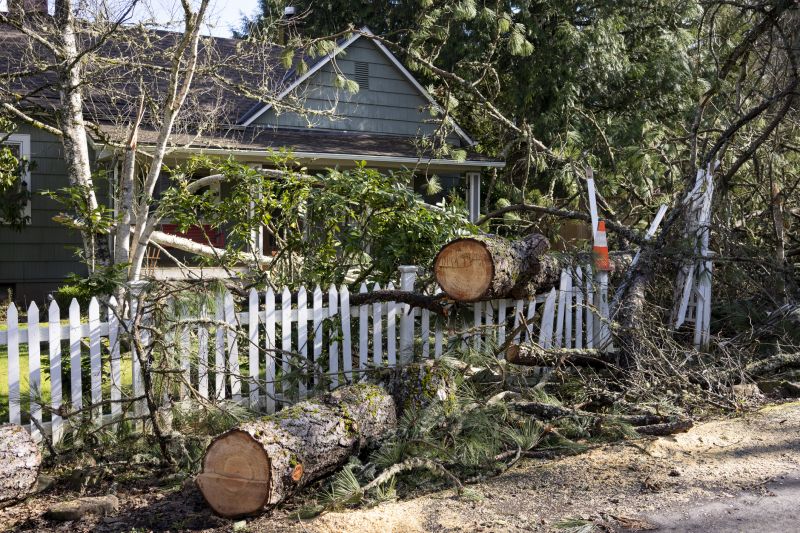
When comparing fallen tree removal services, it’s important to consider the experience of local contractors with similar projects. Look for providers who have a proven track record handling tree removal in your area, especially with trees of comparable size and location. An experienced service provider will be familiar with the challenges that can arise during removal and can typically deliver more reliable results. Gathering information about their past work can help ensure that the contractor has the necessary skills to manage your specific situation effectively.
Clear, written expectations are essential when evaluating potential service providers. A reputable local contractor should be able to provide a detailed scope of work, outlining the steps involved and what is included in the service. This helps prevent misunderstandings and ensures that both parties are aligned on the project’s scope. Make sure to ask for a written estimate or proposal that clearly states what will be done, so you can compare options confidently and choose the one that best meets your needs.
Good communication and reputable references are key indicators of a trustworthy service provider. Local pros who are responsive and willing to answer questions demonstrate professionalism and respect for your project. Additionally, requesting references or reviews from previous clients can provide insight into the contractor’s reliability, quality of work, and how they handle customer concerns. Remember, the site functions as a resource to connect homeowners with local contractors, not to perform the work itself, so taking the time to research and compare options can help find a dependable professional for your fallen tree removal needs.
Property owners use Fallen Tree Removal services for practical projects around their homes and businesses. This guide focuses on everyday jobs and straightforward project options.
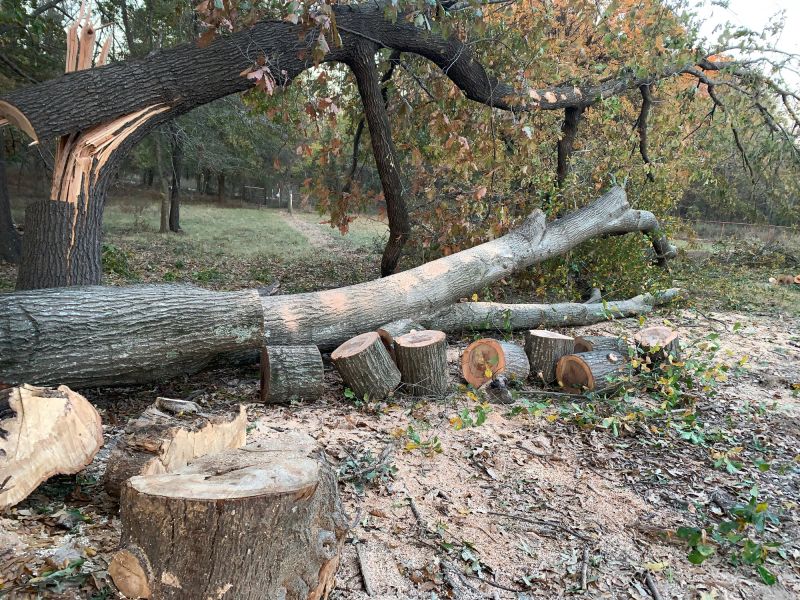
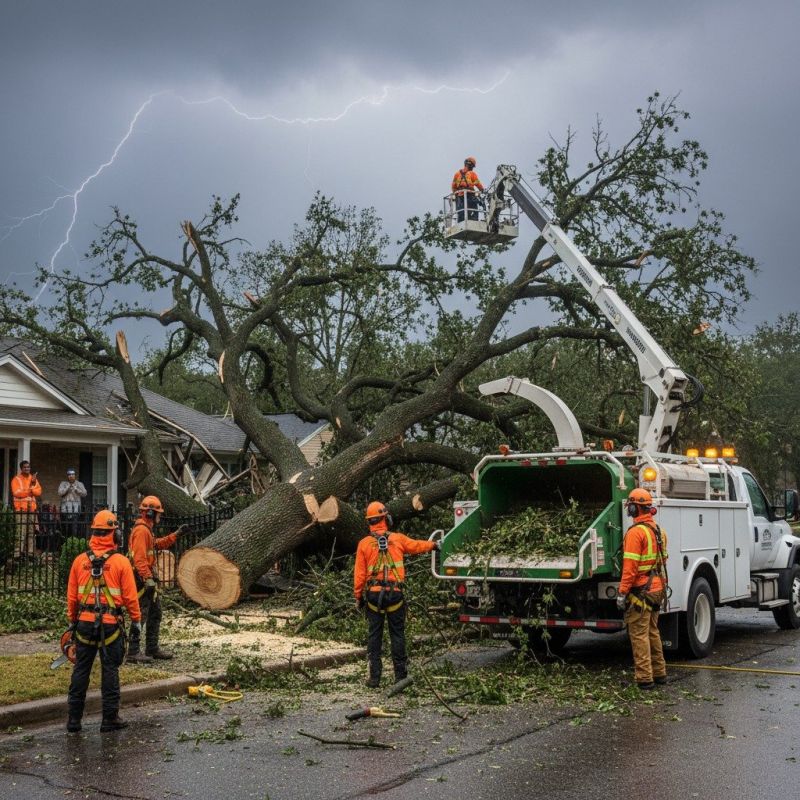
Fallen or damaged trees are common concerns for property owners dealing with storm aftermath, aging trees, or landscaping projects. Local contractors who specialize in fallen tree removal can help clear debris quickly and safely, minimizing disruption to outdoor spaces and ensuring safety for residents and visitors alike. Whether a tree has toppled unexpectedly or needs to be removed due to disease or decay, experienced service providers are equipped to handle a range of situations efficiently.
In addition, property owners may seek fallen tree removal services when preparing for construction, landscaping upgrades, or property maintenance. Removing hazardous or unwanted trees can improve the overall appearance and safety of a property. Local contractors can assess the situation, provide guidance on the best course of action, and carry out the work to meet the specific needs of each property.
What types of fallen trees do local contractors handle? Local contractors typically manage fallen trees of various sizes and types, including large storm-damaged trees, broken branches, and trees that have completely toppled.
Is it necessary to remove a fallen tree from my property? Removing a fallen tree can prevent potential damage to structures and improve safety; local service providers can assess and handle the removal process.
Do fallen tree removal services include cleanup? Many local contractors offer cleanup services as part of the removal process, ensuring the area is cleared of debris after the tree is taken down.
Can local pros handle emergency fallen tree situations? Yes, many local service providers are equipped to respond to urgent situations involving fallen trees to minimize hazards.
What equipment do local contractors use for fallen tree removal? Local pros typically use chainsaws, cranes, and heavy-duty trucks to safely and efficiently remove fallen trees from properties.
Yard Cleanup and Landscaping - Fallen trees can create debris that affects the appearance and safety of a property, and local contractors can help clear and restore the landscape.
Property Safety Improvements - Removing hazardous trees can prevent potential damage or injury caused by falling branches during storms or high winds.
Storm Damage Response - After severe weather, local pros can assist in safely removing fallen trees to restore access and prevent further damage.
Tree Maintenance and Prevention - Regular tree assessments and pruning by service providers can help identify potential hazards before storms occur.
If you are thinking about Fallen Tree Removal for a property, this guide is meant to help you understand the work, the typical project types, and how different options might fit your plans.
When you are ready, you can use the quote form on this page to share a few details about your project. From there, local pros can review the basics and respond with options that match what you have in mind.